 CompareMates Editorial Team
The question of Wi-Fi 7 vs Wi-Fi 6E Australia has become increasingly relevant as more households demand faster, more reliable internet connections for streaming, gaming, and remote work. With Wi-Fi 7 technology now widely available in the Australian market and Wi-Fi 6E having matured over the past few years, many consumers are wondering whether it’s worth upgrading their current router setup in 2026. See more product comparisons in Australia.
This comprehensive comparison will examine the key differences between Wi-Fi 7 and Wi-Fi 6E technologies, analyse their performance characteristics, and help you determine which option best suits your needs and budget. We’ll explore real-world performance scenarios, compatibility considerations, and the current state of device support in Australia to give you the information needed to make an informed decision.
Table of Contents
Key Features Comparison: Wi-Fi 7 vs Wi-Fi 6E Australia
| Feature | Wi-Fi 7 | Wi-Fi 6E |
|---|---|---|
| Maximum Speed | Up to 46 Gbps theoretical | Up to 9.6 Gbps theoretical |
| Frequency Bands | 2.4GHz, 5GHz, 6GHz | 2.4GHz, 5GHz, 6GHz |
| Channel Width | Up to 320MHz | Up to 160MHz |
| Multi-Link Operation | ✅ Yes | ❌ No |
| Device Compatibility | Limited but growing | Widespread |
| Price Range | Premium pricing | Mid to high-range |
| Best For | Future-proofing, high-performance setups | Current needs, balanced performance |
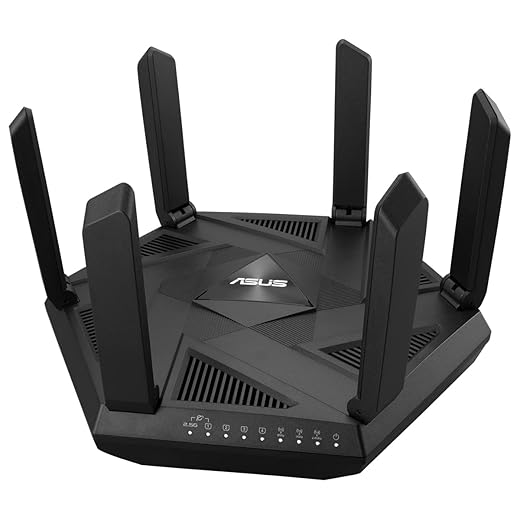
Recommended Product on Amazon Australia

Key Technology Differences
Speed and Performance Capabilities
Wi-Fi 7 represents a significant leap forward in wireless technology, offering theoretical maximum speeds of up to 46 Gbps compared to Wi-Fi 6E’s 9.6 Gbps ceiling. However, these theoretical maximums rarely translate to real-world performance, and the practical benefits depend heavily on your internet connection speed and device capabilities.
The most notable improvement in Wi-Fi 7 is its support for 320MHz channel widths, double that of Wi-Fi 6E’s maximum 160MHz channels. This wider channel support allows for more data to be transmitted simultaneously, potentially reducing latency and improving performance in congested network environments.
Multi-Link Operation Technology
One of Wi-Fi 7’s standout features is Multi-Link Operation (MLO), which allows devices to connect across multiple frequency bands simultaneously. This technology can significantly improve reliability and reduce latency by providing multiple pathways for data transmission. Wi-Fi 6E lacks this capability, relying on traditional single-band connections at any given time.
MLO is particularly beneficial for gaming, video conferencing, and other latency-sensitive applications where consistent performance is crucial. However, both your router and connected devices must support Wi-Fi 7 to take advantage of this feature.
Device Compatibility and Ecosystem Support
Current Device Support in Australia
Wi-Fi 6E enjoys broad device support across smartphones, laptops, tablets, and smart home devices available in the Australian market. Most flagship smartphones released in the past two years, including recent iPhone and Samsung Galaxy models, support Wi-Fi 6E connectivity.
Wi-Fi 7 device support is still developing, with support primarily found in high-end smartphones, premium laptops, and gaming devices. The ecosystem is expanding rapidly, but many existing devices in Australian households won’t be able to utilise Wi-Fi 7’s advanced features.
Backwards Compatibility Considerations
Both Wi-Fi 7 and Wi-Fi 6E routers maintain backwards compatibility with older Wi-Fi standards, ensuring your existing devices will continue to work. However, older devices will only operate at their maximum supported speeds and won’t benefit from the newer technologies’ advanced features.
Performance in Australian Conditions
NBN Speed Matching
For most Australian households with NBN connections ranging from 25 Mbps to 1000 Mbps, both Wi-Fi 6E and Wi-Fi 7 provide more than adequate wireless performance. The benefits of Wi-Fi 7 become more apparent in scenarios involving local network transfers, multiple high-bandwidth devices, or future-proofing for faster internet plans.
Range and Coverage Characteristics
Both technologies utilise the 6GHz band, which offers excellent performance but with shorter range compared to 2.4GHz and 5GHz bands. The 6GHz band’s reduced range means both Wi-Fi 6E and Wi-Fi 7 routers may require mesh systems or additional access points for comprehensive coverage in larger Australian homes.
Wi-Fi 7’s improved efficiency and MLO capabilities may provide better performance at the edges of coverage areas, though the practical differences can vary significantly based on home layout and construction materials.
Value Proposition Analysis
Wi-Fi 6E Advantages
Wi-Fi 6E represents mature technology with proven performance and broad device compatibility. Routers are available across various price points, from mid-range options suitable for most households to high-performance models for demanding users. The technology provides excellent performance for current needs while offering access to the less congested 6GHz band.
For households with typical internet usage patterns including streaming, web browsing, and moderate gaming, Wi-Fi 6E delivers reliable performance without the premium pricing associated with cutting-edge technology.
Wi-Fi 7 Benefits
Wi-Fi 7 offers superior future-proofing potential and enhanced performance for users with demanding networking requirements. The technology’s MLO capabilities and increased efficiency make it particularly attractive for households with numerous connected devices or users engaged in bandwidth-intensive activities.
Gaming enthusiasts and content creators may find Wi-Fi 7’s reduced latency and improved reliability worth the additional investment, especially when planning to keep the router for several years.
Real-World Use Case Scenarios
Typical Australian Household
For families with standard internet usage including streaming services, video calls, and general web browsing, Wi-Fi 6E typically provides excellent performance. The technology handles multiple devices effectively and offers good coverage when properly positioned.
High-Performance Requirements
Households with extensive smart home setups, multiple 4K/8K streaming devices, gaming setups, or home offices requiring reliable video conferencing may benefit from Wi-Fi 7’s advanced capabilities. The technology’s improved efficiency in handling multiple simultaneous connections can provide noticeable benefits in these scenarios.
Cost Considerations for 2026
Wi-Fi 7 routers currently command premium pricing, with entry-level models starting significantly higher than comparable Wi-Fi 6E options. However, prices have decreased from their initial launch levels, making the technology more accessible to mainstream consumers.
Wi-Fi 6E routers offer excellent value, with mature product lines available across various price points. The technology provides strong performance for current needs while remaining cost-effective for budget-conscious consumers.
Future-Proofing Considerations
Technology Adoption Timeline
Wi-Fi 7 adoption is accelerating, with more devices gaining support throughout 2026. However, the full ecosystem benefits may take several years to materialise as device manufacturers integrate the technology across their product ranges.
Wi-Fi 6E will likely remain relevant for several more years, with continued device support and performance adequate for most users’ needs. The technology offers a balanced approach between current functionality and reasonable longevity.
Where to Buy in Australia
Frequently Asked Questions
Which is better for most Australians: Wi-Fi 7 or Wi-Fi 6E?
For most people searching “Wi-Fi 7 vs Wi-Fi 6E Australia”, the better choice comes down to your main use case. Pick the option that best matches your priorities (performance, convenience, running cost, compatibility, or warranty support in Australia), then compare the trade-offs section-by-section in this guide.
What are the biggest differences to look for when choosing a Wi-Fi 7 vs Wi-Fi 6E Australia?
Focus on the factors that affect day-to-day use: core performance/specs, ease of use, size/weight (if relevant), ongoing costs, and reliability. If you’re buying in Australia, also check local warranty terms, returns, and whether the model/variant sold here matches the specs discussed.
Do these products have Australian warranty and support?
In Australia, warranty/support can vary by seller and whether the unit is Australian stock. Check the retailer listing for “AU warranty” (and who provides it), return windows, and whether support is handled locally or via the manufacturer.
Is it worth paying more for the higher-end option?
It’s worth paying more only if you’ll actually benefit from the upgrades (e.g., better performance, longer lifespan, improved efficiency, or time-saving features). If the extra features won’t change how you use it, the better-value model often makes more sense.
What should I check before buying online in Australia?
Confirm the exact model name/variant, included accessories, delivery timeframes, and return policy. If buying via a marketplace listing, double-check who the seller is and whether the warranty is Australian stock.
Final Recommendations
The decision between Wi-Fi 7 and Wi-Fi 6E depends primarily on your current needs, budget, and future-proofing priorities. Wi-Fi 6E remains an excellent choice for most Australian households, offering proven performance, broad device compatibility, and good value for money.
Wi-Fi 7 makes sense for users seeking maximum performance, those planning to keep their router for many years, or households with demanding networking requirements. The technology’s advanced features provide tangible benefits in specific scenarios, though the premium pricing requires careful consideration of actual needs versus theoretical capabilities.
Consider your current internet speed, the number and types of connected devices, and your typical usage patterns when making this decision. Both technologies will serve most users well, but understanding your specific requirements will help determine which represents the better investment for your situation.