Oral-B vs Philips Sonicare Australia (2025): Best Electric Toothbrush for Plaque Removal
 CompareMates Editorial Team
Introduction
If you’re looking to upgrade your oral hygiene routine, choosing the best electric toothbrush for plaque removal can feel overwhelming. The good news? Both Oral-B and Philips Sonicare electric toothbrushes dramatically outperform manual brushing when it comes to removing plaque and improving gum health. Research consistently shows that powered toothbrushes remove significantly more plaque and reduce gum inflammation far more effectively than manual brushes.
In this comprehensive comparison, we’ll examine the two leading electric toothbrush brands available in Australia in 2025, helping you decide which technology suits your needs best. Whether you prioritise battery life, gentleness on sensitive gums, or sheer plaque-busting power, this guide will break down everything you need to know.
Table of Contents
Oral-B vs Philips Sonicare – Key Differences

![Oral-B [GENUINE] iO Clean & Gum Protect Electric Toothbrush Replacement Heads White, 4 Pack](https://m.media-amazon.com/images/I/71hgpfF0OgL._SS520_.jpg)

Brushing Technology Explained
The fundamental difference between these brands lies in their cleaning mechanisms. Oral-B uses a rotating-oscillating technology (often called 3D cleaning) with small, round brush heads that rotate, oscillate, and pulsate to break up and remove plaque. Think of it as a gentle, automated scrubbing action that physically sweeps away debris.
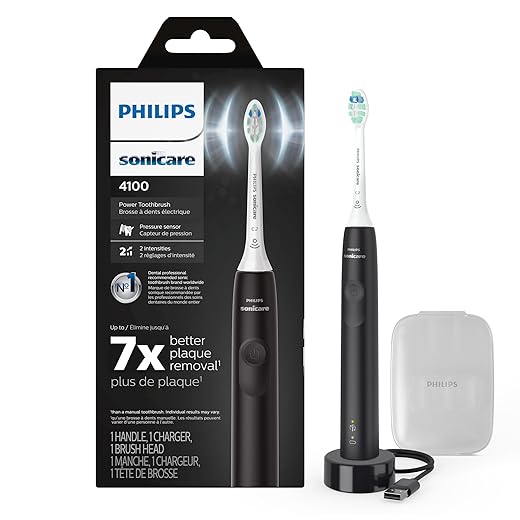
Philips Sonicare, on the other hand, employs high-frequency sonic vibrations—up to 31,000 brush strokes per minute. This creates fluid dynamics in your mouth, driving toothpaste and water between teeth and along the gumline. The sonic motion is less about scrubbing and more about creating a gentle, sweeping wave action.
Both technologies clean exceptionally well. The choice often comes down to personal preference rather than one being definitively superior.
Clinical Effectiveness
When it comes to plaque removal, clinical trials show mixed but ultimately reassuring results. Independent reviews of multiple studies often find that Oral-B’s oscillating motion removes slightly more plaque on average. One Philips-sponsored trial reported that the Sonicare FlexCare Platinum removed 55.8% of plaque compared to 44.2% for the Oral-B Professional Care 5000.
However, Sonicare may have a slight edge for gum health. A six-month study of patients with periodontitis found that Sonicare users experienced significantly greater reductions in gum inflammation and pocket depth compared to Oral-B users. Reviews suggest Sonicare’s high-speed vibration may offer marginal long-term gum health benefits.
Dental experts emphasise that these differences are minimal in real-world use. Both brands are excellent for plaque removal—far superior to manual brushing. The most important factor is consistent, proper use of whichever brush you choose.
Battery Life & Charging Convenience
This is where Sonicare pulls significantly ahead. Many Sonicare models run for 2–4 weeks on a single charge, whereas most Oral-B models average just 1–2 weeks. For travellers or anyone who dislikes frequent charging, Sonicare’s extended battery life is a genuine advantage.
Charging convenience also favours Sonicare. Many newer Sonicare models use slim USB or USB-C charging cases—some even integrate charging directly into travel cases. Oral-B models often rely on bulkier proprietary charging stations, which can be less convenient when packing luggage.
If you travel frequently or simply want to charge your toothbrush less often, Sonicare’s battery performance makes it the clear winner in this category.
Brushing Modes, Noise & User Experience
Both brands offer multiple cleaning modes across their ranges, including Daily Clean, Sensitive, Whitening, Gum Care, and Deep Clean options. Premium models from both manufacturers include Bluetooth connectivity, pressure sensors, and two-minute timers with 30-second interval alerts.
The brush head design differs notably. Oral-B’s small, round heads are excellent for manoeuvrability, making it easier to reach tight spaces between crowded teeth. Sonicare’s longer, oval-shaped heads cover more tooth surface area per stroke. Some premium Sonicare heads feature soft silicone backs that cushion contact with teeth and gums, adding comfort.
In terms of noise, Sonicare brushes tend to run more quietly with a gentle hum, whilst many Oral-B brushes produce a more vigorous sound and sensation. If you prefer a quieter, less intense brushing experience, Sonicare may feel more comfortable.
Price & Replacement Head Costs
Both brands offer electric toothbrushes across a wide price spectrum. In Australia, entry-level models from either brand start around AUD $50–$100, whilst premium models can reach $300–$700.
Replacement brush heads typically cost $5–$15 each, though Philips heads tend to be slightly more expensive. Dentists recommend replacing heads every three months, so factor ongoing costs into your decision.
Here’s an important insight: higher prices don’t necessarily mean better cleaning. Research shows that even budget electric toothbrushes from either brand remove plaque very effectively. Premium models offer extra modes, nicer charging cases, and smart connectivity, but they don’t significantly improve core cleaning performance. The best value depends on which features genuinely matter to you.
Comparison Table
| Feature | Oral-B | Philips Sonicare |
|---|---|---|
| Technology | Rotating-oscillating (3D) | High-frequency sonic vibrations |
| Brush Head Shape | Small, round | Longer, oval |
| Battery Life | 1–2 weeks | 2–4 weeks |
| Charging | Proprietary base (bulkier) | USB/USB-C (travel-friendly) |
| Noise Level | More vigorous | Quieter, gentle hum |
| Plaque Removal | Slightly more on average | Excellent (marginal difference) |
| Gum Health | Excellent | Slightly better long-term benefits |
| Price Range (AUD) | $50–$700 | $50–$700 |
| Replacement Heads | $5–$15 | $5–$15 (slightly higher) |
| Best For | Precise cleaning, tight spaces | Sensitive gums, travellers |
Which Is Better for Plaque Removal in 2025?
The answer depends on your priorities. If we’re talking purely about the best electric toothbrush for plaque removal, clinical evidence suggests Oral-B’s rotating-oscillating technology has a marginal edge in plaque reduction. However, the difference is small enough that most users won’t notice it in daily life.
Sonicare shines for users with sensitive gums or those who value gentleness alongside effectiveness. Its high-speed vibrations may provide slightly better long-term gum health outcomes, and many users find the experience more comfortable.
For travellers, Sonicare’s superior battery life and USB-C charging convenience make it the practical choice. If you travel regularly or dislike charging devices frequently, the 2–4 week battery life is a game-changer.
Ultimately, both brands are far superior to manual toothbrushes—and that’s what matters most. Either Oral-B or Sonicare will dramatically improve your oral hygiene. Choose based on comfort, features, and convenience rather than marginal clinical differences.
Best for most people: Sonicare models offer an excellent balance of effectiveness, comfort, and convenience.
Best for precision cleaning: Oral-B’s round heads excel at reaching tight spaces and may remove fractionally more plaque.
Best value: Entry-level models from either brand (AUD $50–$100) clean just as effectively as premium versions.
FAQs
Are electric toothbrushes better than manual?
Yes, absolutely. Powered toothbrushes from both Oral-B and Sonicare consistently remove more plaque and reduce gum inflammation significantly more than manual brushes. They automate the brushing motion and timing, making it easier to achieve a thorough two-minute clean without the technique challenges of manual brushing.
Which removes more plaque: Oral-B or Sonicare?
Both brands are excellent at removing plaque. Independent reviews often find Oral-B’s oscillating heads remove slightly more plaque on average, but the difference is minor—we’re talking about marginal improvements. Proper brushing technique and consistency matter far more than brand choice. Either electric toothbrush will remove vastly more plaque than any manual brush.
Do expensive electric toothbrushes clean better?
No. Studies have not found that high-end brushes clean teeth better than basic models. Expensive models usually offer more modes, better build quality, smart features like Bluetooth apps, and premium charging cases, but all quality electric brushes remove plaque effectively when used properly. Don’t feel pressured to buy the most expensive model—a basic electric toothbrush delivers excellent results.
Which is better for sensitive gums?
Sonicare is often considered gentler and may be preferable if you have very sensitive gums. One clinical trial found Sonicare reduced gum inflammation more than Oral-B, and reviews note slightly better gingival outcomes. Both brands offer “Sensitive” or “Gum Care” modes to reduce intensity, so either can work well. The gentler vibration of Sonicare tends to feel more comfortable for sensitive mouths.
How long do their batteries last?
Sonicare models generally last much longer between charges. Many Sonicare brushes provide 2–4 weeks of use per full charge, whereas most Oral-B models last about 1–2 weeks. Battery life varies by model and usage patterns, but if you travel frequently or dislike charging devices often, Sonicare has a clear advantage in this area.
For more guidance on maintaining excellent oral health, the Australian Dental Association provides comprehensive resources on proper brushing techniques and preventive dental care.
Conclusion
When searching for the best electric toothbrush for plaque removal, you can’t go wrong with either Oral-B or Philips Sonicare. Both brands significantly outperform manual toothbrushes and will transform your oral hygiene routine.
Oral-B’s rotating-oscillating technology may remove a fraction more plaque, making it ideal for those who want maximum plaque-fighting power and precise cleaning around tight spaces. Sonicare’s high-frequency vibrations offer excellent plaque removal with potentially better long-term gum health benefits, superior battery life, and a gentler, quieter brushing experience.
The best brush is the one you’ll use consistently for two minutes, twice daily. Consider your personal preferences—comfort, battery needs, travel requirements, and gum sensitivity—over marginal clinical differences. Visit your dentist regularly, replace brush heads every three months, and let your electric toothbrush do the hard work for you.
For most Australians in 2025, a mid-range Sonicare model offers the sweet spot of effectiveness, comfort, and convenience. But if you prefer Oral-B’s feel or find a great deal on an Oral-B model, you’ll still get exceptional plaque removal and oral health benefits.
Disclaimer
Medical Disclaimer: This article is for informational purposes only and is not intended as medical or dental advice. The information provided is based on publicly available research and product comparisons. Individual oral health needs vary, and what works best for one person may differ for another.
Always consult with your dentist or dental hygienist before making decisions about your oral care routine, especially if you have existing dental conditions, gum disease, sensitive teeth, or other oral health concerns. Your dental professional can provide personalised recommendations based on your specific needs.
Affiliate Disclosure: This article may contain affiliate links to products. If you make a purchase through these links, we may earn a small commission at no additional cost to you. This helps support our website and allows us to continue providing helpful content. Our reviews and comparisons remain unbiased regardless of affiliate relationships.
Product Information: Prices, features, and product availability mentioned in this article are accurate as of November 2025 and are subject to change. Always verify current pricing and specifications with retailers before making a purchase.
Updated: November 2025