Air Fryer vs. Benchtop Oven (2026): Which Is Best for Cutting Your Energy Bill & Saving Money?
 CompareMates Editorial Team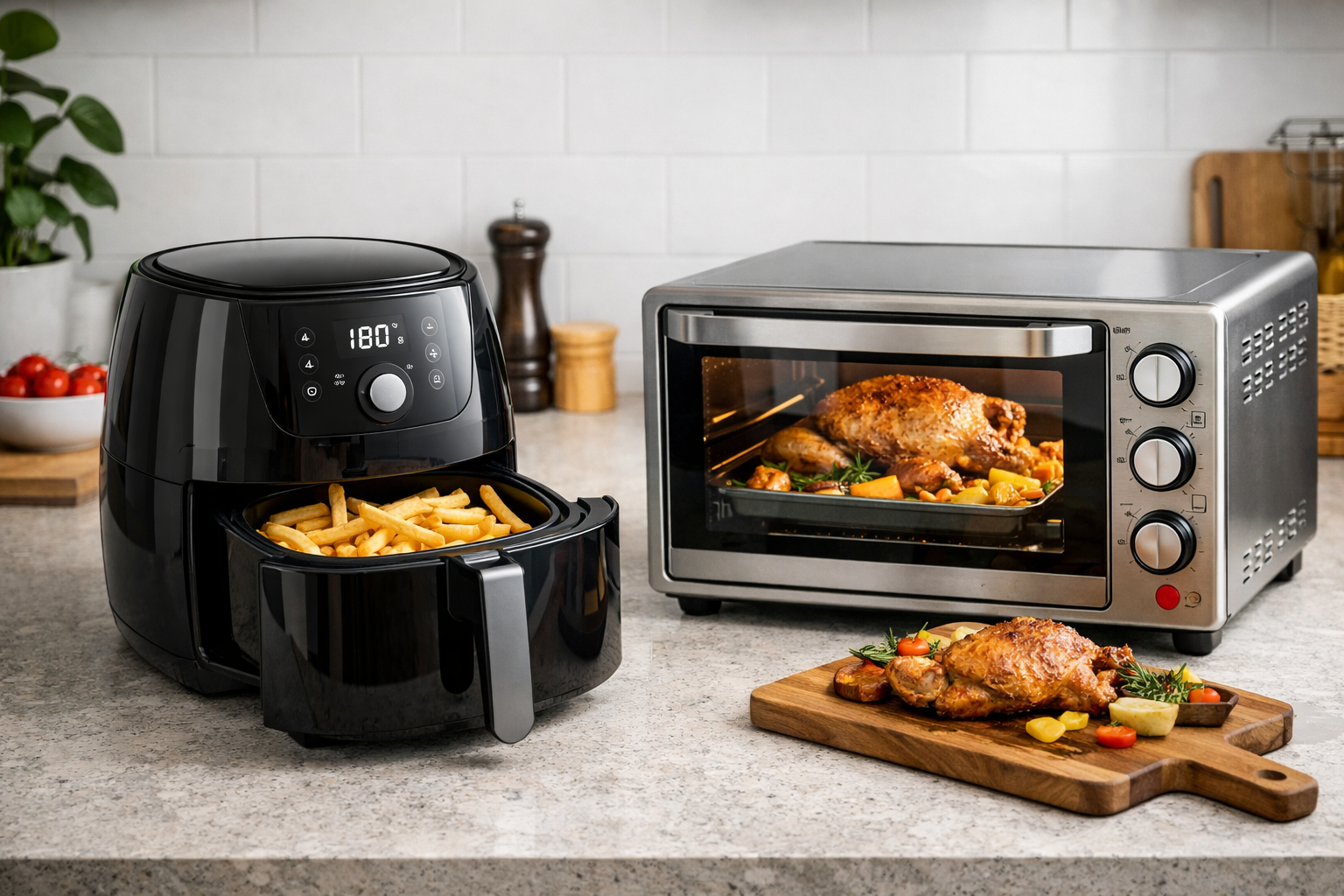
With Australian electricity prices continuing to climb, many households are looking for ways to cut their energy bills without sacrificing home-cooked meals. Two popular kitchen appliances—air fryers and benchtop ovens—promise convenience and versatility, but which one actually delivers better air fryer energy efficiency Australia results? Understanding the benchtop oven vs air fryer energy cost differences can help households make smarter choices about kitchen appliance electricity savings and identify the best lower energy bill cooking appliances for their needs.
This comprehensive comparison breaks down the real-world energy consumption, running costs, and practical usage scenarios to help Australian households determine which appliance will genuinely reduce their power bills.
Table of Contents
Air Fryer vs Benchtop Oven — Energy Consumption Compared
The fundamental difference between air fryers and benchtop ovens lies in their power draw and operational efficiency. Air fryers typically draw between 1,200 and 2,000 watts during operation, whilst conventional benchtop and full-size ovens often require 2,200 to 4,000 watts or more to maintain cooking temperatures.
This wattage gap exists because air fryers feature smaller internal chambers and rely on rapid air circulation technology. Less physical space means less energy is needed to reach and maintain cooking temperatures. The compact design allows heat to circulate more efficiently around food, reducing the overall energy required per cooking session.
Heat-up time presents another significant efficiency advantage for air fryers. Most air fryers reach optimal cooking temperature within 3 to 5 minutes and often don’t require pre-heating at all. Benchtop and full-size ovens, by contrast, typically need 10 to 15 minutes of pre-heating before cooking can begin. This extended warm-up period adds substantial energy consumption before food even enters the appliance.
Real-world testing using smart meters in Australian households shows that air fryers used significantly less energy—often 30–50% less for small meals and short cooking tasks—compared to ovens set at equivalent temperatures. This translates to measurably lower costs per meal in many everyday cooking scenarios, particularly for quick cooking sessions with smaller food quantities.
Which Appliance Is Cheaper to Run in Australia?
Breaking down the actual dollar cost reveals the practical impact of these efficiency differences. Australian electricity prices average between $0.30 and $0.40 per kilowatt-hour, though rates vary considerably by state, provider, and plan structure. For current electricity pricing information specific to your location, visit the Australian Energy Regulator or check Energy.gov.au for energy cost comparisons and consumer resources.
A typical air fryer cooking session—such as roasting vegetables or preparing chicken portions—might consume 0.8 to 1.0 kWh of electricity. At average Australian rates, this translates to approximately 30 to 40 cents per cook. The same meal prepared in a conventional oven could consume 2.5 to 3.0 kWh, costing between 75 cents and $1.20 per cooking session. Actual energy use varies based on cooking duration, temperature, appliance size, and whether the oven is already pre-heated.
Whilst these per-meal savings might seem modest, the cumulative effect becomes substantial over time. A household that switches from daily oven use to air fryer cooking for everyday meals could experience meaningful annual savings for households that frequently cook small meals. The exact savings depend on individual usage patterns, electricity rates, and cooking habits.
For households cooking small to medium portions regularly, the kitchen appliance electricity savings achieved through air fryer use can meaningfully reduce overall energy bills without requiring significant lifestyle changes.
When an Air Fryer Saves You the Most Money
Air fryers deliver maximum energy efficiency advantages in specific cooking scenarios. Single portions and small meals represent the ideal use case—preparing food for one or two people wastes minimal energy in an air fryer’s compact chamber, whereas firing up a full oven for the same task uses disproportionate electricity.
Quick cooking tasks amplify these benefits. Reheating leftovers, preparing frozen snacks, cooking vegetables, or making small roasts all take advantage of the air fryer’s rapid heat-up time and efficient heat circulation. Each of these tasks would require substantial pre-heating in an oven, adding unnecessary energy consumption.
Households that cook frequently in small batches gain the most from air fryer adoption. Families where individual members eat at different times, couples cooking separate meals, or singles preparing daily portions will find air fryers deliver consistent lower energy bill cooking appliances performance across their routine cooking needs.
The energy savings become most pronounced for users who previously relied on conventional ovens for these everyday tasks, as the elimination of extended pre-heating cycles and excessive chamber heating creates measurable reductions in electricity consumption.
When a Benchtop or Full Oven Makes More Sense
Despite their efficiency advantages, air fryers aren’t always the most economical choice. Large family meals and one-pot dinners that feed multiple people often prove more energy-efficient when prepared in a full-size or benchtop oven. The ability to cook everything simultaneously in one appliance eliminates the need for multiple cooking cycles.
Batch cooking scenarios present a particular challenge for air fryers. If preparing a large roast or multiple trays of food requires running an air fryer through three or four separate cooking cycles, the cumulative energy consumption can equal or exceed that of a single oven session. The oven’s larger capacity becomes an efficiency advantage when volume matters.
Long-duration cooking tasks may also favour conventional ovens. Some testing suggests that well-insulated ovens can operate efficiently once they’ve reached temperature, potentially performing comparably to air fryers in extended cooking scenarios. Slow-roasted meats, long-bake casseroles, and similar dishes might not benefit from air fryer technology in the same way quick-cooking foods do.
Users who regularly prepare large quantities of food, host family gatherings, or prefer meal-prep approaches may find that a quality benchtop or conventional oven delivers better overall value despite higher power draw during operation.
Other Factors That Affect Your Energy Bill
Beyond the headline wattage figures, several additional factors influence the true benchtop oven vs air fryer energy cost comparison. Standby power consumption affects both appliance types—many benchtop units draw small amounts of electricity even when switched off but left plugged in. While standby power draw is minimal, unplugging air fryers and bench ovens after use eliminates unnecessary background energy use.
Insulation quality varies significantly between models and affects efficiency. Better-insulated ovens retain heat more effectively, reducing the energy required to maintain cooking temperatures. Premium air fryer models with superior insulation similarly outperform budget alternatives in real-world energy consumption.
User habits ultimately determine whether theoretical efficiency advantages translate to actual bill reductions. Running an air fryer for longer than necessary, failing to use appropriate capacity sizes, or choosing the wrong appliance for specific tasks can negate potential savings. Matching appliance capacity to meal size consistently delivers the best air fryer energy efficiency Australia outcomes.
The age and condition of appliances also matter. Older ovens with degraded door seals or worn heating elements consume more energy than specifications suggest, whilst well-maintained newer models operate closer to optimal efficiency ratings.
Air Fryers & Benchtop Ovens Worth Comparing
When evaluating energy-efficient cooking appliances for Australian households, several models stand out for their combination of capacity, features, and energy performance. The following comparison showcases popular options across different price points and cooking styles.
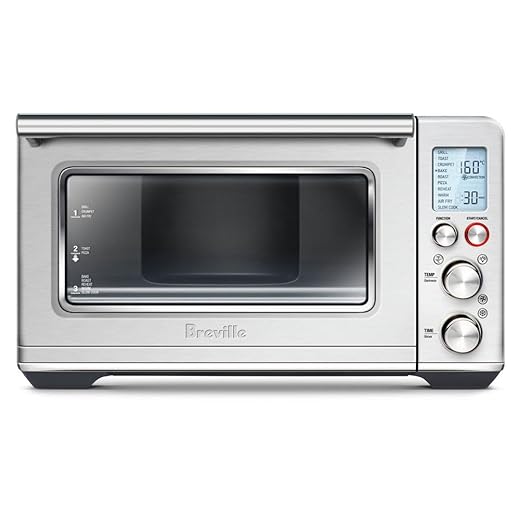


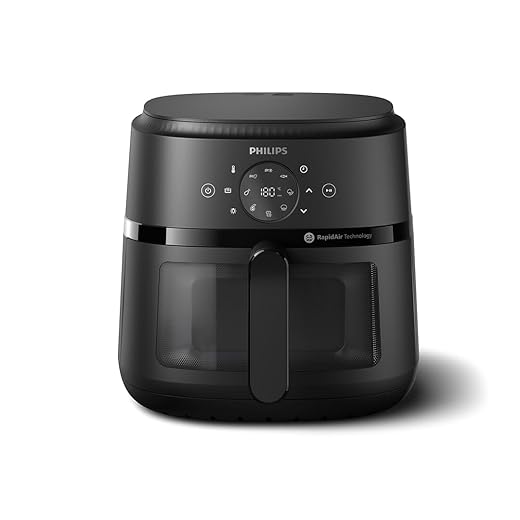
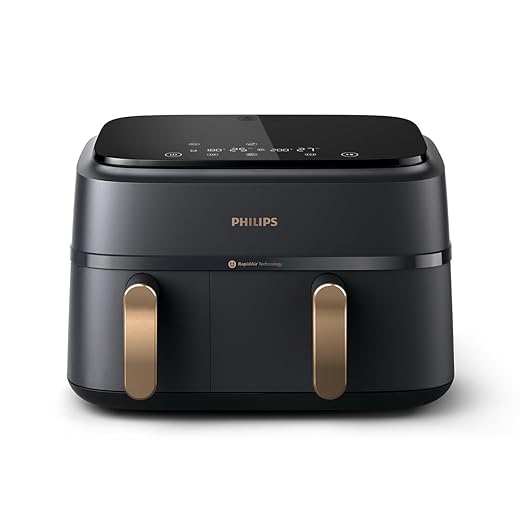
The 25L Air Fryer Convection Oven offers a middle-ground solution for households wanting air fryer efficiency with increased capacity. Hybrid appliances like the Breville Smart Oven Air Fryer and Sunbeam BT7200 combine traditional oven functionality with air-frying capability, providing flexibility for different cooking scenarios whilst maintaining reasonable energy consumption.
The Ninja Foodi XL Air Fry Oven DT200 targets larger households needing greater capacity without sacrificing the efficiency benefits of air fryer technology. Compact traditional air fryers like the Instant Vortex Plus 10L deliver maximum energy savings for small-batch cooking, whilst the Breville Smart Oven Pro represents premium benchtop oven performance for users prioritising cooking versatility.
Comparing these models helps identify which features and capacity levels align with individual household cooking patterns and energy-saving priorities.
Frequently Asked Questions
Do air fryers really reduce your electricity bill?
Generally yes—for everyday small meals and quick cooking tasks, air fryers usually consume significantly less energy than running a large oven. The reduction primarily comes from eliminated pre-heating requirements and the smaller volume requiring heating. Households cooking small portions regularly can expect noticeable reductions in electricity costs over time, depending on usage patterns.
What types of cooking save the most energy?
Quick or small-batch cooking delivers the greatest energy savings when done in an air fryer instead of an oven. Frozen snacks, vegetables, small roasts, reheating leftovers, and single-serve meals all benefit substantially from air fryer efficiency. These tasks require minimal cooking time and take full advantage of rapid heat-up capabilities.
Are bench ovens with air-fry functions worth it?
These hybrid appliances can provide a practical middle ground, offering traditional oven capacity alongside some efficiency benefits of air fryer technology. Energy savings depend heavily on usage patterns—using the air-fry function for appropriate tasks delivers benefits, whilst defaulting to conventional oven modes reduces efficiency gains.
Does cooking more food change the savings?
Yes, significantly. If preparing a large meal requires running an air fryer through multiple batches, a conventional oven may ultimately consume similar or even less total energy. The oven’s ability to cook larger quantities simultaneously becomes an efficiency advantage when volume exceeds air fryer capacity.
Should I factor Australia’s electricity costs into the equation?
Absolutely—average electricity rates vary considerably by state and provider, affecting the dollar value of energy savings. Understanding your specific electricity tariff helps calculate precise savings potential. Using smaller, efficient appliances more frequently whilst avoiding prolonged oven operation for small tasks can meaningfully lower overall energy consumption regardless of location.
Conclusion
The choice between air fryers and benchtop ovens for reducing energy costs depends primarily on household cooking patterns and meal sizes. Air fryers deliver superior air fryer energy efficiency Australia performance for small meals, quick cooking tasks, and frequent everyday use. The combination of lower wattage, minimal pre-heating, and compact chamber design translates to genuine kitchen appliance electricity savings for appropriate applications.
Benchtop and full-size ovens remain the more efficient choice for large family meals, batch cooking, and scenarios where air fryer capacity limitations would require multiple cooking cycles. Understanding which appliance matches specific cooking needs ensures households achieve actual bill reductions rather than simply swapping one energy expense for another.
Smart usage habits amplify potential savings—selecting appropriate appliance capacity for meal size, unplugging units when not in use, and matching cooking method to food quantity all contribute to lower power bills. Australian households seeking lower energy bill cooking appliances should evaluate their typical meal sizes and cooking frequency before investing in new equipment.
Before purchasing, compare models based on wattage specifications, capacity requirements, and feature sets that align with actual cooking needs. The most energy-efficient appliance is ultimately the one that best matches how a household actually cooks.
Disclaimer: Energy costs and savings estimates are based on average Australian electricity rates and typical usage patterns. Actual results will vary depending on your specific appliance model, cooking habits, electricity tariff, and household usage. This article provides general guidance and should not be considered professional energy advice.